- Blog
Redesigning Reach: Community-Based Research In Action – Part 4
Throughout this series, we've explored the growing adoption of community-based research, examined barriers to implementation, and discussed what organizations need to successfully operationalize these models. In this final installment, we focus on where community-based research is already demonstrating impact and which therapeutic areas are best positioned for continued growth.
In partnership with Citeline, we surveyed 130 leaders from biotechnology companies, pharmaceutical organizations, and CROs to better understand how community-based research models are being evaluated in practice. Building on insights from our earlier articles, we now turn to where these models are gaining traction and delivering results.
Where adoption is taking hold
Community-based research continues to gain traction across the clinical research landscape. More than half of survey respondents (56%) reported conducting research through home and virtual visits, while 58% are utilizing mobile research sites to help reach underserved communities.
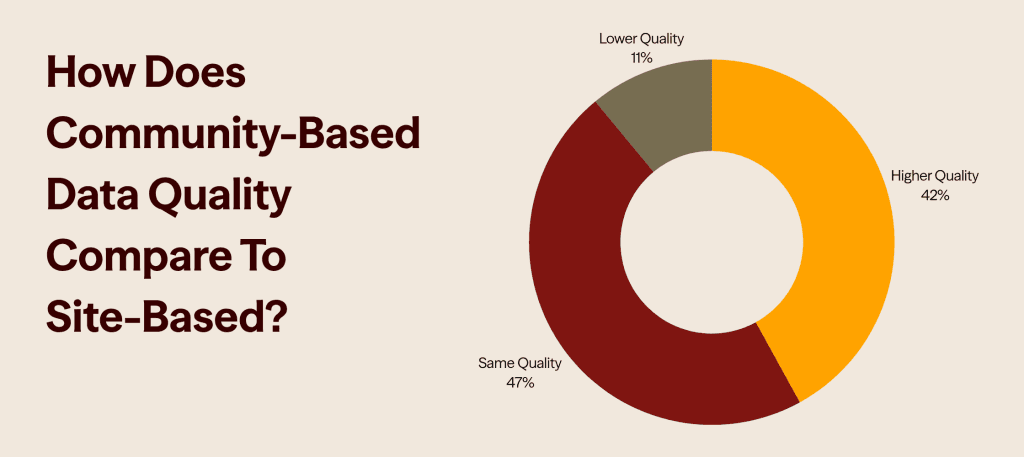
Questions around data quality remain one of the most frequently cited concerns among organizations that have yet to adopt community-based approaches. However, among respondents currently implementing these models, 42% report higher data quality compared to traditional approaches.
Together, these findings suggest that organizations with direct experience implementing community-based research increasingly view it as a strategic extension of traditional site-based models—one that can expand access while maintaining research quality.
Therapeutic areas leading adoption
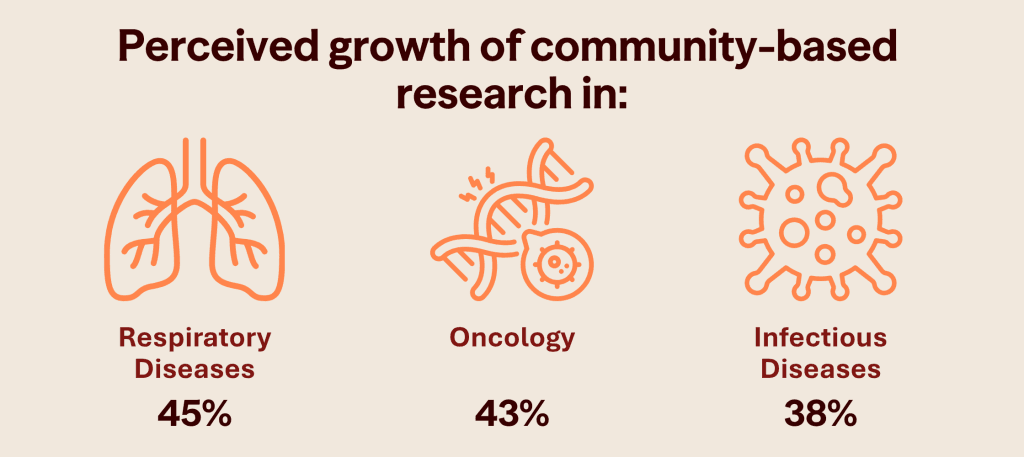
Community-based research continues to gain traction across a wide range of therapeutic areas, with industry leaders anticipating the greatest growth in respiratory disease, oncology, and infectious disease studies.
As adoption expands, success will depend on more than convenience alone. Community-based approaches must continue to demonstrate the reliability, quality, operational consistency, and scalability required to support increasingly complex clinical trials.
Expanding reach in infectious disease research
Infectious disease research, particularly vaccine studies, highlights many of the strengths of community-based research models. Approximately one-fifth of today's infectious disease trials are vaccine studies, where broad participation across age groups and geographies is often critical to study success. Pediatric participation is especially important, given that many approved vaccines are intended for children and adolescents.
These studies often require multiple patient visits, creating challenges related to travel, work, caregiving responsibilities, and school attendance. By bringing research activities closer to where patients live, work, and attend school, community-based models can reduce burden while supporting enrollment across broader and more representative populations.
The growing role of community-based research in oncology
Adoption within oncology has been more measured, largely due to the complexity of many oncology protocols. Frequent safety assessments, imaging procedures, biopsies, and other specialized requirements often anchor studies to traditional research settings.
As community-based research infrastructure continues to mature, sponsors are increasingly evaluating hybrid approaches that allow appropriate trial activities to occur closer to patients while maintaining access to specialized services when needed. This model can help improve retention and operational flexibility while preserving the oversight, compliance, and data quality required in oncology research.
The next phase of community-based research
Community-based research is not replacing traditional research sites. Rather, it is expanding the range of options available to sponsors seeking to improve access, enrollment, and retention.
Traditional sites remain essential for many studies, particularly those requiring specialized procedures and infrastructure. Community-based models complement those capabilities by extending access beyond traditional site boundaries and bringing research closer to patients.
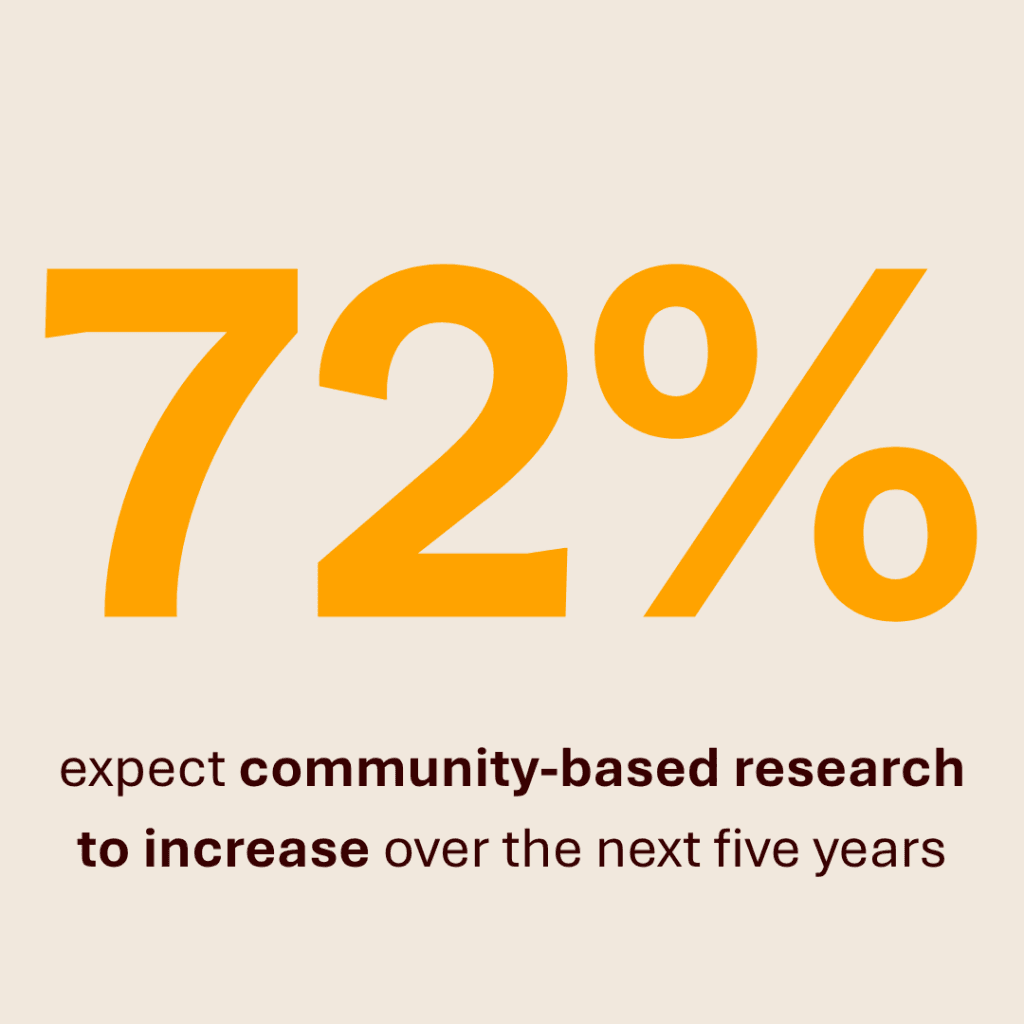
Survey findings suggest this shift is already underway. 72% of respondents expect community-based research to play a larger role in their organization's trials over the next five years. While respiratory disease, infectious disease, and oncology are leading adoption today, respondents also anticipate growing use of these approaches across cardiology, neurology, rare disease, metabolic disorders, and endocrinology studies.
At its core, community-based research is not about replacing existing infrastructure but extending its reach. By bringing research closer to patients while maintaining clinical rigor, these models help sponsors overcome participation barriers, engage broader patient populations, and generate more representative study data.
If you'd like to learn more about integrating community-based approaches into your clinical trial strategy, Contact us to start the conversation.